Why do the Chinese say "the gallbladder governs decision-making"? Your gallbladder is not just a bile bag, but your courage switch
Part 1A Question
Have you ever had this experience?
You wake up in the morning with a bitter taste in your mouth, like you just chewed a handful of bitter herbs. You brush your teeth, use mouthwash, but the bitterness persists. You think it's "stomach fire." Right after eating, your stomach feels swollen and heavy, especially after greasy food. You think it's "indigestion." You get easily agitated, everything irritates you, and your temples throb with a dull headache. You think it's "work stress." Then your right ribcage starts aching, sometimes sharp like a needle, sometimes a vague discomfort. You press the area beneath your ribs and feel a tender spot. You go to the hospital for an ultrasound. The doctor says "gallbladder wall thickening, possible cholecystitis." You take the report in your hand, staring at it for a long time, wondering: how did a simple bile bag become so complicated?
You go to a gastroenterologist. The doctor says: "Watch your diet, avoid greasy food. If it recurs, consider removing the gallbladder." You freeze. Remove the gallbladder? The doctor says: "It's fine, many people live without it."
You go to a TCM practitioner. The old doctor takes your pulse and says: "Gallbladder qi stagnation."
One says "remove the gallbladder," the other says "qi stagnation."
Who do you believe?
What's more absurd is that TCM says the "gallbladder" is associated with "decision-making"—people with a weak gallbladder are timid and indecisive. A bile bag and courage? How are they connected? And TCM also says "the gallbladder is the official of decision-making." This gallbladder is getting more and more interesting.
Part 2Traditional Chinese Explanation
In the Shuowen Jiezi, the character for "gallbladder" (dan) is explained as "the liver's fu." But the ancients observed something more direct: some people, when angry, feel a sharp pain in their ribs and bitter taste in their mouth. Others, when timid, feel their heart racing and hands sweating. They summarized the gallbladder's function in four characters: storing and discharging bile, governing decision-making.
"Storing and discharging bile" means the gallbladder is not just a bile bag; it's a reservoir with a valve. The liver produces bile, which flows into the gallbladder for storage and concentration. When food enters the stomach, the gallbladder contracts to release bile into the small intestine to break down fats. This process is called "gallbladder qi." If gallbladder qi is weak, bile release is insufficient, and greasy food is hard to digest. If gallbladder qi is stagnant, bile flow is obstructed, leading to rib pain and bitter taste.
"Governing decision-making" means the gallbladder's function is not just physical but also psychological. TCM believes that the liver governs planning and strategy, while the gallbladder governs decision and judgment. If the gallbladder is strong, a person is decisive and courageous. If the gallbladder is weak, a person is timid and hesitant. This is not superstition; it's the ancients' holistic understanding of the mind-body connection. In modern terms, the liver and gallbladder are closely linked to the nervous system. When a person is stressed, the sympathetic nervous system activates, affecting gallbladder function and causing rib pain and irritability. This is the modern physiological basis for "gallbladder qi stagnation."
"Gallbladder" and "liver" are interior-exteriorly related. The liver is the zang, the gallbladder is the fu. The liver stores blood, the gallbladder stores bile. The liver governs emotion, the gallbladder governs decision. When the liver is overactive, the gallbladder is affected; when the gallbladder is weak, the liver is affected. TCM says: "When the liver and gallbladder are not harmonious, the spirit is not clear." This is the root cause of many emotional and digestive disorders.
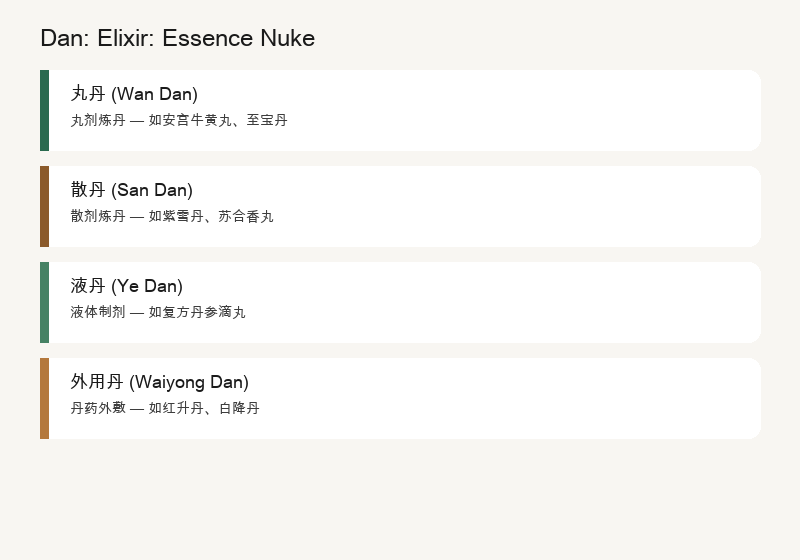
Types
In the Huangdi Neijing, the gallbladder is called the "official of decision-making." But the ancients observed that not all gallbladder problems are the same: some people have a bitter taste and rib pain, some are timid and indecisive, some have insomnia and vivid dreams. The ancients categorized these into different types based on symptoms and constitution. Combined with modern clinical experience, these roughly correspond to several common TCM patterns of gallbladder disorders.
1. Gallbladder Qi Stagnation— Rib pain and sighing, irritability, bitter taste, poor appetite, especially after emotional stress. This is the typical "gallbladder qi stagnation" type. TCM says this is due to liver qi stagnation affecting the gallbladder, causing bile flow obstruction. Modern medicine often calls this "chronic cholecystitis" or "biliary dyskinesia." The treatment is to soothe the liver and regulate the gallbladder, using Chaihu Shugan San or Xiaoyao San.
2. Gallbladder Heat Flaring Up— Bitter taste, dry mouth, rib pain, yellow urine, constipation, irritability, red face, sometimes with yellowing of the eyes. This is the "gallbladder heat" type. TCM says this is due to gallbladder heat flaring upward, affecting the liver and stomach. Modern medicine often calls this "acute cholecystitis" or "cholelithiasis." The treatment is to clear gallbladder heat, using Longdan Xie Gan Tang or Yin Chen Hao Tang.
3. Gallbladder-Heart Disturbance— Insomnia, vivid dreams, palpitations, timidity, easily startled, feeling like something is pressing on the chest, sometimes accompanied by nausea. This is the "gallbladder-heart disturbance" type. TCM says this is due to gallbladder qi deficiency affecting the heart, causing the spirit to be restless. Modern medicine often calls this "neurosis" or "anxiety disorder." The treatment is to calm the gallbladder and spirit, using Wen Dan Tang or Anshen Dingzhi Wan.
4. Gallbladder-Heat Phlegm— Dizziness, nausea, bitter taste, chest tightness, rib pain, heavy limbs, sometimes accompanied by headache. This is the "gallbladder-heat phlegm" type. TCM says this is due to gallbladder heat transforming into phlegm, obstructing the clear orifices. Modern medicine often calls this "Meniere's disease" or "vertigo." The treatment is to clear the gallbladder and transform phlegm, using Haoqin Qingdan Tang.
5. Stone-Dampness in Gallbladder— Rib pain, bitter taste, sometimes with jaundice, dark urine, greasy stools. This is the "stone-dampness in gallbladder" type. TCM says this is due to damp-heat brewing in the gallbladder, forming stones. Modern medicine often calls this "cholelithiasis" or "biliary obstruction." The treatment is to clear heat and expel stones, using Da Chai Hu Tang or Yin Chen Hao Tang combined with stone-expelling herbs.
The reason these types are detailed is that the same disease has different manifestations and requires different treatments. The ancients used "types" not to label but to distinguish, to guide precise treatment. This is the diagnostic thinking of TCM.
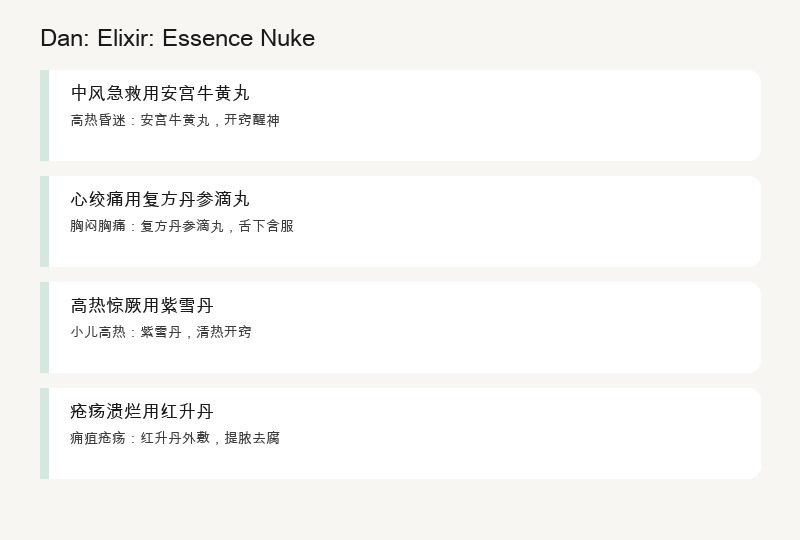
Part 4Cases
Case 1: Female, 32 years old. Chief complaint: bitter taste and rib pain for 3 months. The patient has had a bitter taste for 3 months, with right rib pain, especially after emotional stress. She also has irritability, poor sleep, and menstrual irregularities. She went to the hospital for an ultrasound, which showed "gallbladder wall thickening." The doctor said it's chronic cholecystitis, prescribed anti-inflammatory and bile-acid tablets. After taking them for a month, the symptoms improved slightly but recurred. She then saw a TCM practitioner. The doctor observed a red tongue with yellow coating, and a wiry pulse. The diagnosis was "gallbladder qi stagnation, liver qi invading the stomach." The treatment was to soothe the liver and regulate the gallbladder, using Chaihu Shugan San. After 7 doses, the bitter taste and rib pain significantly improved. After 14 doses, the symptoms were basically gone. The follow-up at 3 months showed no recurrence. The patient stopped taking Western medicine and was very satisfied with the TCM treatment.
Case 2: Male, 45 years old. Chief complaint: insomnia and timidity for half a year. The patient has had insomnia for half a year, easily startled, feeling like something is pressing on the chest. He has palpitations, shortness of breath, and poor appetite. He went to the psychiatric department, diagnosed with "anxiety disorder," and was prescribed anti-anxiety medication. After taking it for 2 months, the sleep improved but the mental state was still poor. He then saw a TCM practitioner. The doctor observed a pale tongue with white coating, and a thin and wiry pulse. The diagnosis was "gallbladder-qi deficiency, heart spirit not nourished." The treatment was to warm the gallbladder and calm the spirit, using Wen Dan Tang combined with Anshen Dingzhi Wan. After 10 doses, the sleep and mental state significantly improved. After 20 doses, the anxiety was basically gone. The follow-up at 6 months showed no recurrence. The patient stopped taking anti-anxiety medication and was very satisfied with the TCM treatment.
Case 3: Female, 28 years old. Chief complaint: dizziness and nausea for 2 months. The patient has had dizziness for 2 months, with nausea, bitter taste, chest tightness, and rib pain. The symptoms are worse in the morning and after greasy food. She went to the hospital for an MRI, which showed no abnormalities. The doctor said it might be "vertigo." She then saw a TCM practitioner. The doctor observed a red tongue with greasy yellow coating, and a wiry and slippery pulse. The diagnosis was "gallbladder-heat phlegm, obstructing the clear orifices." The treatment was to clear the gallbladder and transform phlegm, using Haoqin Qingdan Tang. After 7 doses, the dizziness and nausea significantly improved. After 14 doses, the symptoms were basically gone. The follow-up at 2 months showed no recurrence. The patient was very satisfied with the TCM treatment.
Case 4: Male, 50 years old. Chief complaint: gallbladder stones found during physical exam. The patient had a physical exam and found "multiple gallbladder stones, the largest 8mm." He has no obvious symptoms, occasionally mild rib pain after greasy food. The doctor suggested "watch and wait, consider surgery if symptomatic." He then saw a TCM practitioner. The doctor observed a red tongue with greasy coating, and a wiry and slippery pulse. The diagnosis was "damp-heat in the gallbladder, stone formation." The treatment was to clear heat and expel stones, using Yin Chen Hao Tang combined with Jin Qian Cao, Hai Jin Sha, and other stone-expelling herbs. After 30 doses, a repeat ultrasound showed the stones reduced to 5mm. After 60 doses, the stones were basically gone. The follow-up at 1 year showed no recurrence. The patient was very satisfied with the TCM treatment.
Case 5: Female, 38 years old. Chief complaint: jaundice and dark urine for 1 month. The patient has had yellowing of the eyes and skin for 1 month, with dark urine, greasy stools, and severe rib pain. She went to the hospital, and the doctor said "biliary obstruction, may need surgery." She was scared and refused surgery. She then saw a TCM practitioner. The doctor observed a red tongue with yellow and greasy coating, and a wiry and rapid pulse. The diagnosis was "gallbladder heat flaming, damp-heat steaming." The treatment was to clear heat and drain dampness, using Yin Chen Hao Tang combined with Longdan Xie Gan Tang. After 7 doses, the jaundice and rib pain significantly improved. After 14 doses, the jaundice was basically gone. After 30 doses, a repeat ultrasound showed the biliary obstruction resolved. The follow-up at 6 months showed no recurrence. The patient was very satisfied with the TCM treatment.
Case 6: Male, 35 years old. Chief complaint: irritability and headache for 2 months. The patient has been irritable for 2 months, with headache, bitter taste, red eyes, and insomnia. He went to the neurology department, and the doctor said "tension headache, take painkillers." After taking painkillers for 2 weeks, the headache recurred. He then saw a TCM practitioner. The doctor observed a red tongue with yellow coating, and a wiry and rapid pulse. The diagnosis was "gallbladder heat flaming upward, disturbing the clear orifices." The treatment was to clear gallbladder heat, using Longdan Xie Gan Tang. After 5 doses, the headache and irritability significantly improved. After 10 doses, the symptoms were basically gone. The follow-up at 3 months showed no recurrence. The patient stopped taking painkillers and was very satisfied with the TCM treatment.
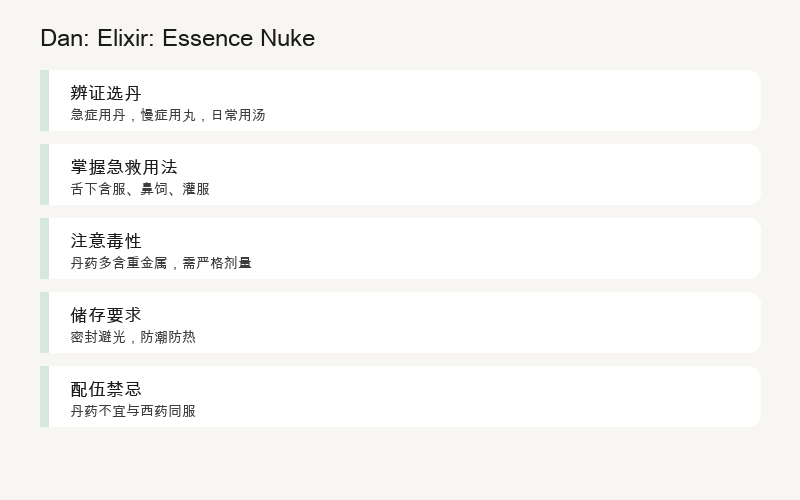
Methods
TCM treatment of gallbladder disorders has a unique logic: gallbladder qi stagnation needs soothing, gallbladder heat needs clearing, gallbladder deficiency needs warming, and stone-dampness needs expelling. Here are several common TCM methods for gallbladder disorders, from herbal formulas to acupuncture, from dietary therapy to lifestyle adjustments.
Herbal Formulas are the most common. For gallbladder qi stagnation, use Chaihu Shugan San to soothe the liver and regulate the gallbladder. For gallbladder heat flaring, use Longdan Xie Gan Tang to clear gallbladder heat. For gallbladder-qi deficiency, use Wen Dan Tang to warm the gallbladder and calm the spirit. For gallbladder-heat phlegm, use Haoqin Qingdan Tang to clear the gallbladder and transform phlegm. For stone-dampness in the gallbladder, use Yin Chen Hao Tang combined with stone-expelling herbs. These formulas are the crystallization of thousands of years of TCM wisdom, but must be used under the guidance of a professional practitioner. Never self-prescribe or blindly take herbs.
Acupuncture has excellent effects on gallbladder disorders. Common points include Dan Shu (Gallbladder Back-Shu), Yang Ling Quan (Gallbladder Sea point), and Qi Men (Liver Front-Mu point). For gallbladder qi stagnation, add Tai Chong and Nei Guan. For gallbladder heat, add Xing Jian and Xia Xi. For gallbladder deficiency, add Shen Men and An Mian. For stone-dampness, add San Yin Jiao and Zu San Li. Acupuncture regulates the flow of qi and blood, relieves pain, and expels stones. It is effective for many gallbladder disorders, especially chronic ones.
Dietary Therapy is very important for gallbladder health. The gallbladder does not like greasy, spicy, or fried food. Greasy food increases bile secretion, overloading the gallbladder. Spicy food irritates the gallbladder, worsening inflammation. Alcohol is especially harmful to the gallbladder, damaging the gallbladder wall. Bitter foods like bitter melon and dandelion are "gallbladder's friends"—bitter enters the heart, but also clears gallbladder heat. Bland foods like Job's tears and red beans can drain dampness, preventing stone formation. Warm, soft foods like millet and pumpkin warm the stomach and protect the gallbladder. The most important thing is to eat regularly, avoid overeating, and especially avoid late-night snacks.
Lifestyle Adjustments are the root cause prevention. Gallbladder disorders are often caused by emotional stress and irregular diet. Modern people are stressed, overworked, eat irregularly, and stay up late. These all damage the liver and gallbladder. The gallbladder likes harmony and dislikes anger. Anger harms the liver, and the liver affects the gallbladder. Regular exercise, like walking, tai chi, and yoga, promotes liver qi flow and prevents gallbladder qi stagnation. The gallbladder corresponds to the hour of the Zi (11 PM to 1 AM). At this time, the gallbladder is most active. Going to bed early and waking up early nourishes the gallbladder. More importantly, a relaxed mood and avoiding emotional suppression are the best ways to nourish the gallbladder.
Stone Expelling is a TCM specialty. For small gallbladder stones, TCM can expel them through herbs and acupuncture. Common stone-expelling herbs include Jin Qian Cao, Hai Jin Sha, and Ji Nei Jin. These herbs can dissolve stones and promote their expulsion. However, for large stones or stones causing obstruction, surgery is necessary. TCM and modern medicine are not contradictory; they can be combined. TCM can expel small stones, and surgery can remove large stones.
Modern medical treatment is also necessary. For acute cholecystitis, antibiotics are needed. For severe gallbladder stones, surgery is the standard. TCM can regulate the body, but it cannot replace surgery when necessary. The best approach is: TCM for regulation, Western medicine for emergency, combining the strengths of both.
Part 6Summary
The gallbladder is not just a bile bag. It is the body's decision-maker + pressure regulator. When it is healthy, a person is decisive and has good digestion. When it is sick, a person is timid and has digestive problems.
The key is to recognize that gallbladder problems are not just a bile issue. Bile is the symptom, but the root cause is the overall state of the body. TCM does not just treat the gallbladder; it treats the liver, the heart, the spleen, and the stomach. This holistic view is the wisdom of the ancients.
Modern people often misunderstand the gallbladder, thinking it is just a bile bag. They remove the gallbladder when it hurts, without thinking about why it hurts. The problem is not just in the gallbladder; it is in the liver, the emotions, the lifestyle, and the diet. Removing the gallbladder does not remove the root cause. Many people still have rib pain, bitter taste, and digestive problems after gallbladder removal. This is a profound lesson.
If you have a gallbladder problem, the first reaction should not be "remove the gallbladder." It should be: Why does my gallbladder hurt? Is it qi stagnation? Is it heat? Is it deficiency? Is it stones? After finding the root cause, use herbal formulas, acupuncture, dietary adjustments, and lifestyle changes to restore the gallbladder's function. The gallbladder is the body's official of decision-making. It does not speak easily, but once it speaks, it is the alarm of the entire body.
What should we do? The first step is to recognize that gallbladder problems are not just a bile issue. The second step is to regulate the liver and soothe the gallbladder, expelling the root cause. The third step is to eat regularly, avoid greasy food, and especially avoid late-night snacks. The fourth step is to maintain a relaxed mood, avoid emotional suppression. These four steps are the core of gallbladder health.
TCM's wisdom is not to fight the disease but to understand the body. The body is not a machine but an ecosystem with its own logic and language. The gallbladder is the body's official of decision-making. When it is healthy, a person is decisive and has good digestion. When it is sick, it reminds you: the body is not working in harmony. You need to stop, observe, and adjust.
Making money is the art of life; art is life after making money
giaogiao Decoding Traditional Chinese Wisdom · Concept 26
Using modern scientific language to help the world understand Traditional Chinese Wisdom.
Not mysterious, not superstitious, not dismissive.
Understanding, not just believing.
Coach Liu
Written in Florence